
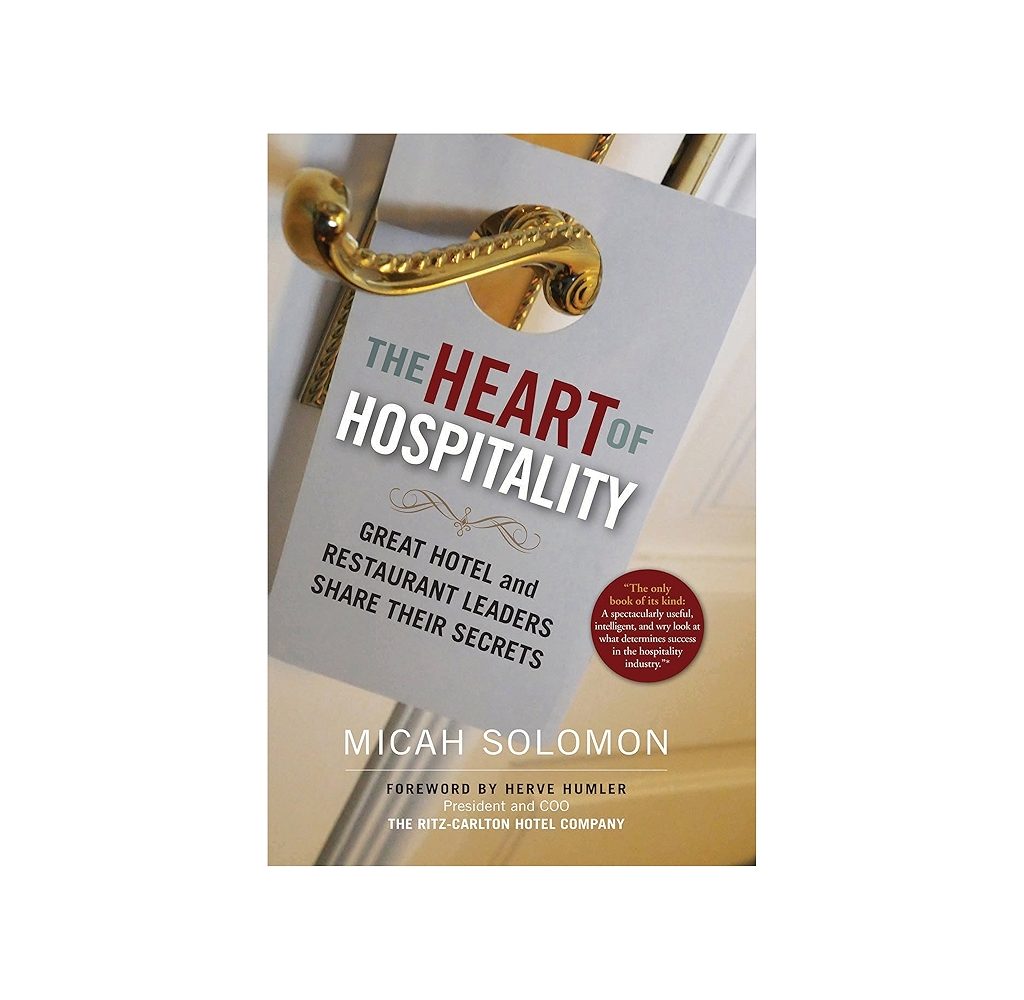
In a world increasingly obsessed with the data of the ‘transaction,’ have we forgotten how to measure the weight of the ‘encounter’? If there is one thing the last year has taught us in the wine and hospitality business, it’s that “technical excellence” is now the baseline, not the destination. You can have the highest-scoring Cabernet or the most efficient POS system, but if you lack the “soul” of service, you’re just a commodity. In The Heart of Hospitality, Micah Solomon dives deep into the psychology of why some brands feel like a warm embrace while others feel like a transaction. It’s a masterclass in moving from “service”—which is a sequence of events—to “hospitality,” which is a matter of the heart.
Solomon doesn’t just theorize; he brings in the heavy hitters—leaders from The Ritz-Carlton, Four Seasons, and Danny Meyer’s Union Square Hospitality Group. The core takeaway that resonates with me for our current market is the idea of “Anticipatory Service.” It’s the art of fulfilling a guest’s unexpressed needs. In our world of DTC wine, this means knowing a club member is celebrating an anniversary before they tell you, or noticing a guest’s preference for cool-climate Syrah and having a bottle ready before they even look at the list. It’s about being one step ahead in a way that feels like magic, not surveillance.
One of the most practical frameworks Solomon shares is the “WETCO” approach to hiring developed by Danny Meyer. He argues that you can’t train “Warmth, Empathy, Teamwork, Conscientiousness, and Optimism”—you have to hire for them. For those of us leading teams in 2026, this is a vital reminder. We often get bogged down in technical resumes, but in a high-touch industry, a person’s “hospitality quotient” (to borrow Danny Meyer’s term) is the only metric that truly sustains long-term loyalty. We need people who are naturally wired to find joy in the joy of others.
The book also tackles the “Culture of Yes.” Solomon pushes back against the rigid SOPs that often kill the guest experience. He advocates for empowering frontline staff—giving them the autonomy and the budget to solve problems in the moment without “checking with a manager.” This level of trust is what creates the legendary stories we hear about 5-star hotels, but it’s just as applicable to a boutique tasting room. When you empower your team to be heroes, they don’t just save a sale; they create an advocate for life.
Finally, Solomon addresses the shift in consumer expectations, particularly with the Millennial and Gen Z cohorts who now dominate our DTC data. These guests aren’t looking for the stuffy, “scripted” luxury of the past. They want authenticity. They want a “narcissism-free” culture where the focus is entirely on them, but delivered with a relaxed, genuine vibe. As we look at the next 12 months of wine business leadership, The Heart of Hospitality serves as a necessary North Star: use the tech to handle the data, but keep the heart at the center of the glass.
If you’re looking to move your brand from a “product” to an “experience” this year, this is the manual. It’s a quick, witty read, but the implications for your bottom line—and your team culture—are profound. Let’s stop just “serving” our guests and start actually hosting them.