
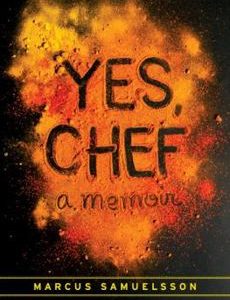
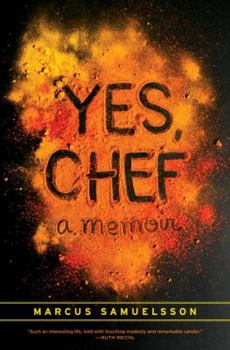
Have you ever read a memoir that leaves you feeling hungrier for life—and maybe a really great meal—with every turned page? Marcus Samuelsson’s Yes, Chef is precisely that kind of story, a vivid and intensely honest exploration of identity, resilience, and the relentless pursuit of passion. Long before he was a celebrated global chef and TV personality, Samuelsson was Kassahun, a young Ethiopian boy who survived a devastating tuberculosis epidemic that took his mother’s life. Adopted alongside his sister by a loving Swedish family in Gothenburg, his early years became a rich tapestry of cultures, defined by the warmth of his grandmother Helga’s kitchen. It was there, standing on a stool next to the stove, that he first learned how food could bridge worlds and heal wounds.
As Samuelsson’s passion turned into an obsession, his journey took him into the grueling, high-pressure world of European fine dining. The book doesn’t hold back on the brutal reality of kitchen culture—the endless hours, the harsh discipline, and the quiet isolation of being a Black cook in predominantly white, elitist culinary spaces. Samuelsson captures this relentless grind when he writes, “To be a chef, you have to be willing to be standard-issue, to be stripped of your identity so that you can absorb the identity of the kitchen.” Through sheer grit, precision, and an unwavering work ethic, he fought his way through top kitchens in Switzerland and France, refusing to let the color of his skin or his non-traditional background limit his ambitions.
When Samuelsson eventually landed in New York City at Aquavit, his genius blossomed, quickly earning him a coveted three-star review from The New York Times at just twenty-four years old. Yet, despite reaching the pinnacle of culinary success, Yes, Chef is far more than a triumph story; it’s a candid look at the personal costs of ambition. Samuelsson opens up about the strain on his relationships, his initial detachment from fatherhood, and his ongoing search for where he truly belonged. Reflecting on the deeper purpose behind his craft, he notes, “I wanted to cook food that had a story, food that meant something beyond just being expensive.”
That desire for story and connection ultimately led him to Harlem, where he opened Red Rooster—a restaurant designed not just to serve fine food, but to celebrate Black culture, history, and community. Yes, Chef culminates in this powerful homecoming, where his Ethiopian roots, Swedish upbringing, and American dreams finally coalesce into a singular culinary identity. Samuelsson writes with a kinetic, unpretentious energy that makes you feel the intense heat of the line, the rhythm of jazz in Harlem, and the deep emotional weight of finding oneself through food.
Ultimately, this memoir is a rich, soulful reminder that our lives are shaped not just by where we start, but by the flavors, places, and people we choose to gather along the way. It’s an inspiring, gritty, and deeply human portrait of a man who turned his hunger into a legacy. If you’re looking for a story that feeds both the mind and the spirit, this book deserves a place at the top of your reading list. Which culinary story or food memory has had the biggest impact on the way you view the world?